World Cup 2026 Travel Guide: How to Do All Three Countries Right
The 2026 World Cup runs June 11 to July 19 across three countries: 48 teams, 104 matches, 16 host cities. Pick a base city that suits your budget and move from there. Book flights and hotels early. The US cities especially are already expensive. Get your eSIM sorted before you land. Buy tickets only through FIFA's official platform; there is no Ticketmaster deal. A multi-country trip is genuinely doable if you plan the hops in advance.
The first thing to understand about the 2026 World Cup is the scale. Three countries. Sixteen cities. Forty-eight teams and 104 matches over 39 days. It is the biggest football tournament ever staged and it starts today. Mexico vs South Africa kicked off at the Estadio Azteca in Mexico City this morning.
If you are reading this and trying to work out how to get there for any part of it, you still can. Here is how to do it sensibly.
Why three countries and why so many matches
FIFA expanded the format from 32 teams to 48 starting with this tournament. More teams meant more matches (up from 64) and a bigger playing field to spread them across. The USA, Canada and Mexico bid jointly and won. It is the first time the World Cup has been hosted across three countries simultaneously, and the first time the US has hosted since 1994.
The practical effect for travellers: the action is genuinely spread out. The group stage runs to June 27 across all three countries, then the knockout rounds gradually consolidate into the US. From the quarterfinals onwards, every match is on American soil. The final is July 19 at MetLife Stadium in East Rutherford, New Jersey. It is marketed as New York New Jersey, and worth knowing it is not actually in Manhattan.
The arc of the tournament
Group stage: June 11 to June 27, all 16 host cities in play.
Round of 32: June 28 to July 3.
Round of 16: July 4 to July 7. Vancouver's BC Place hosts one, so Canada keeps knockout football.
Quarterfinals onwards: July 9 to July 19, all in the US.
Final: July 19, East Rutherford NJ.
If you are planning around the quarterfinals or later, you only need to be in the US. If you want the group stage atmosphere in Mexico City or Toronto, you need to move fast. Those windows are tight.
Picking your base city
Sixteen host cities sounds overwhelming. Group them by what they offer and it gets manageable.
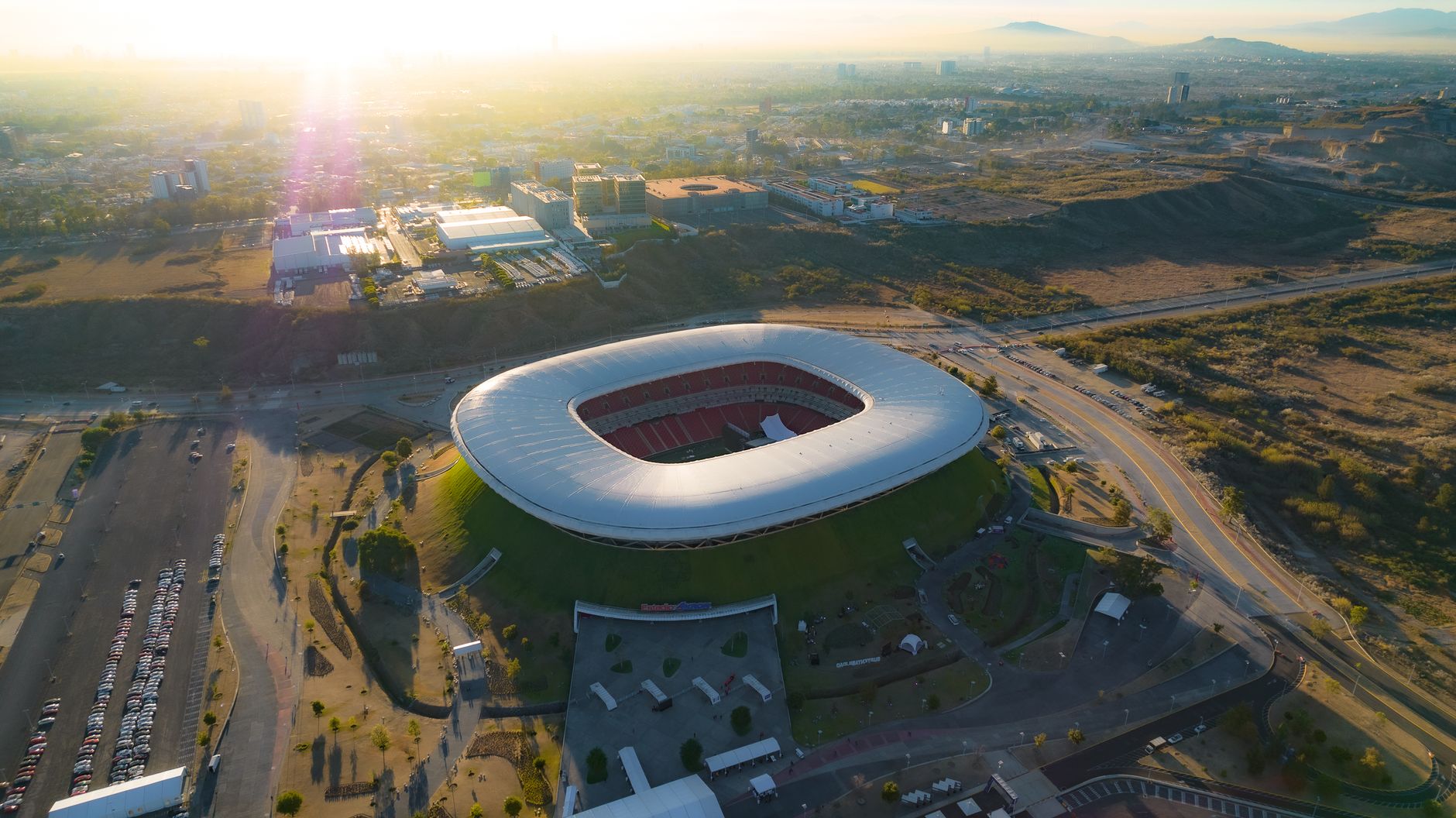
Mexico (3 cities): Mexico City, Guadalajara, Monterrey. The cheapest entry point for the tournament, full stop. Accommodation and food are a fraction of US prices. Mexico City especially is worth a few days beyond the football.
Canada (2 cities): Toronto and Vancouver. Both are expensive by Canadian standards during the tournament but considerably cheaper than comparable US markets. Toronto has the better food scene; Vancouver has the mountains and the sea.
US (11 cities): New York/New Jersey, Los Angeles, Dallas, Miami, Atlanta, Philadelphia, San Francisco Bay Area, Seattle, Houston, Kansas City, Boston. Dallas (AT&T Stadium in Arlington) hosts the most matches of any venue. New York/New Jersey is where the final is. Los Angeles, Miami and San Francisco will be the most expensive for accommodation. Kansas City and Houston will be comparatively manageable.
Pick one base and day-trip to nearby stadiums if you can. Flying city to city within the US gets expensive fast.

Getting there and between cities
International flights into the US, Mexico or Canada are already pricing high for the group stage window. If you are travelling from Europe or Asia, the cheapest entry points tend to be through Mexico City, Houston or Atlanta rather than New York or LA.
Within the US, domestic flights between host cities are the realistic option for anything over 500 miles. For shorter hops like Dallas to Houston or Philadelphia to New York, the bus is cheap, reliable and saves airport faff. Amtrak covers the northeast corridor well; the Boston to Washington run via Philadelphia and New York is genuinely useful for tournament travel.
Between the US and Canada, the Toronto to New York leg is easy overland or by flight. Vancouver is its own trip and pairs better with Seattle.
US to Mexico: flying is the right call for anything beyond the border cities.

Staying connected
You need an eSIM before you land, not after. US airport SIM shops are expensive; hotel wifi is patchy; stadium wifi is overwhelmed on match days.
Airalo has football-specific eSIM packages for the World Cup window with deals up to 26% off select packages until July 18. The discount applies to your first purchase only and is applied automatically at checkout. The Super Fan 40-day package is excluded. Unlimited plans give you 3GB per day at full speed, then slower speeds after that, which is fine for maps, messaging and match updates.

Tickets
This is the question everyone asks, and the honest answer is that availability is limited but not zero.
FIFA runs its own official ticket platform. All primary sales and all legitimate resale go through there. A last-minute sales phase reopened in April 2026, so there are still tickets available for some group stage matches, particularly in less-hyped groups and smaller US host cities. The later rounds and the final are effectively sold out through primary channels.
The official resale platform is also the only legitimate secondary market. Prices are dynamic and move with demand, and the final will cost significantly more than face value. Anything you buy outside FIFA's platform is a risk you take alone.
Do not count on Ticketmaster for this one.
Things to do near the key stadiums
Mexico City. Estadio Azteca sits in the south of the city, about 30 minutes from the centre depending on traffic. The Zócalo is the obvious starting point for anyone in the city for the first time. Xochimilco, the floating gardens, is an easy half-day trip and genuinely unlike anything else in North America. Teotihuacan is two hours out and worth the early start.

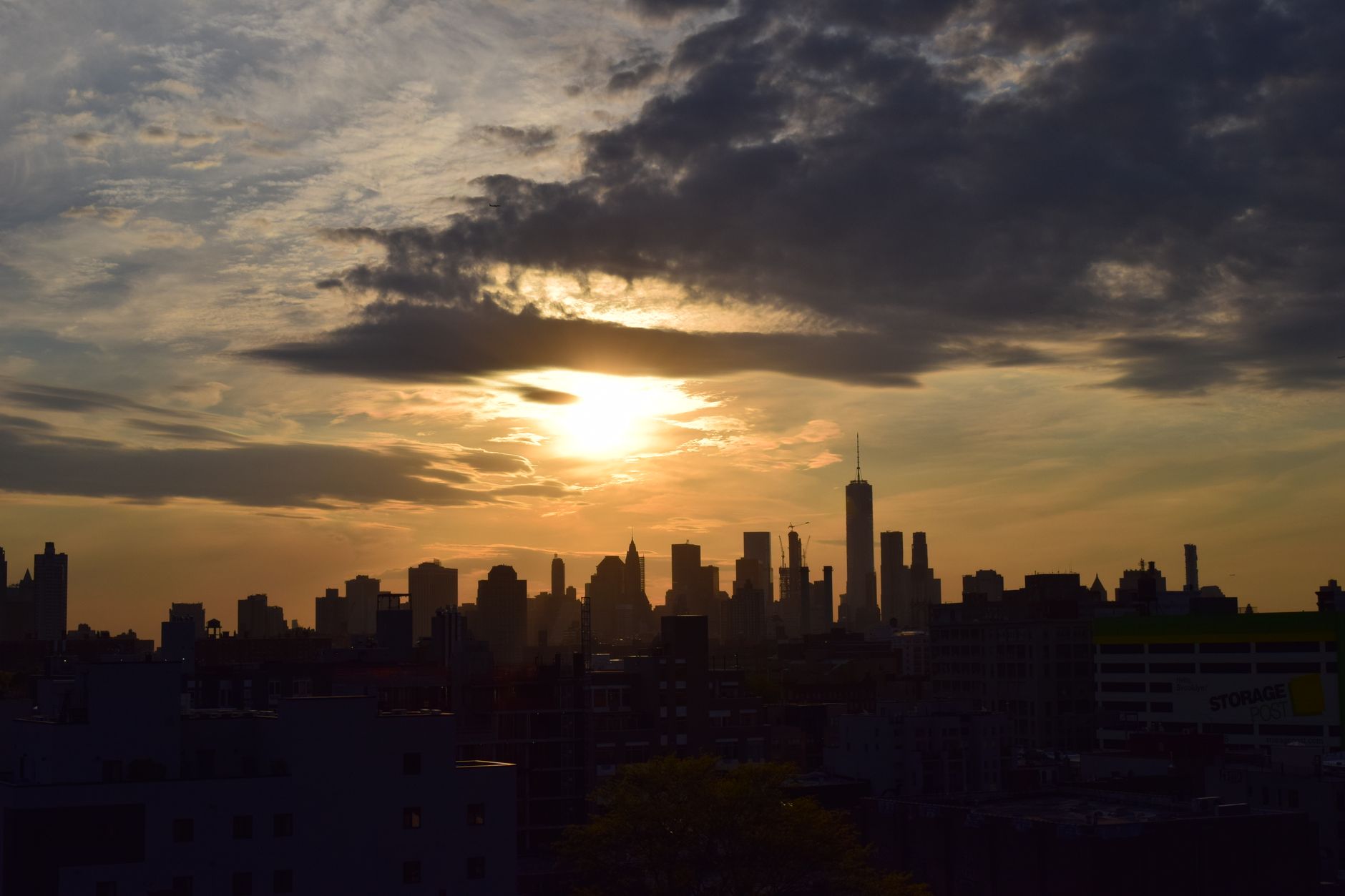
New York / New Jersey. MetLife Stadium is in East Rutherford, about 30 minutes by direct train from Penn Station. The city needs no introduction, but for match day specifically: arrive early, the train back after a final will be chaos. Stay in Manhattan or Jersey City. Pre-match drinks are easy in every neighbourhood. The fan zones in the meatpacking district and around the Hudson Yards tend to draw the biggest crowds.
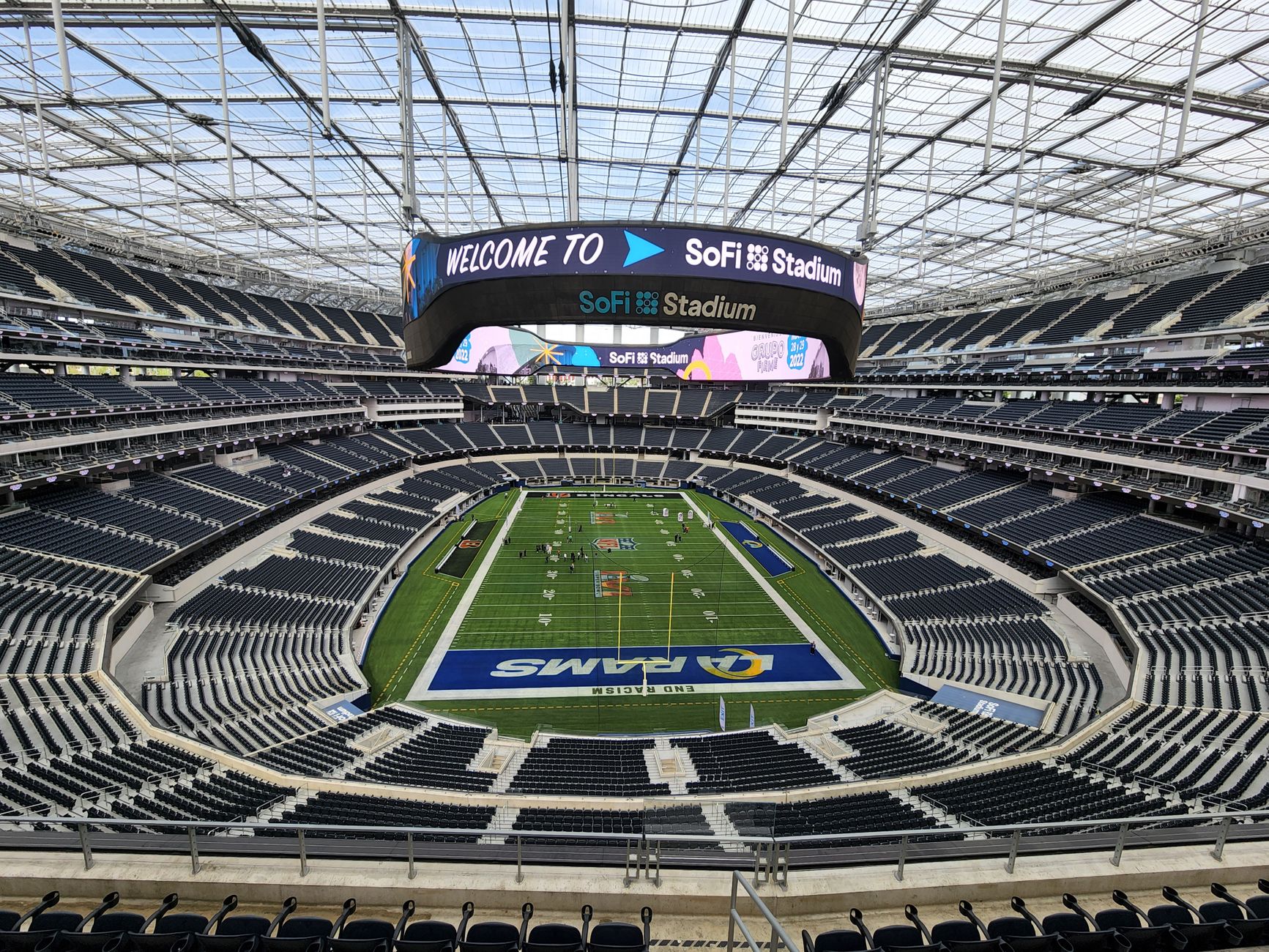
Los Angeles. SoFi Stadium in Inglewood is where the US plays its opening group match on June 12. The city is vast and the traffic is worse during major events. Factor in extra time or use the Inglewood Transit Center connection. Santa Monica, Venice Beach and Silver Lake are good bases close enough to stay sane.
Miami. Hard Rock Stadium in Miami Gardens hosts several group matches. Stay in South Beach or Brickell and get the shuttle. Miami is hot in June, genuinely hot, and the stadium is open-air. Wear sunscreen and bring water.
Toronto. BMO Field is right on the waterfront, an easy 15-minute walk from the city centre. Toronto is very walkable around the waterfront and the Distillery District. Good food everywhere. Cheaper than you expect for a major city.
Money
The US is card-first everywhere. Mexico City and the Mexican cities lean more heavily on cash for markets, taxis and smaller restaurants. Have pesos on you. Canada is card-friendly. Everywhere accepts Visa and Mastercard, but exchange rates and foreign transaction fees add up fast across three currencies over multiple weeks.
Use a fee-free card for the whole trip. Moving money between currencies without getting hit every time matters when you are crossing borders repeatedly.

Travel insurance
The World Cup window covers some of the busiest travel days of the year in three countries. Flight delays, rebooking costs, lost luggage and the occasional illness add up differently when you are moving between countries on a tight match schedule.
SafetyWing covers most of what you need for a multi-country trip like this. It is not the cheapest insurance going but it is genuinely straightforward to claim on, which matters when you are trying to catch a flight to a quarterfinal.

The one thing most people get wrong
They try to see too much. Three countries, multiple matches, new cities every few days. It sounds like an adventure and it starts to feel like logistics management by week two.
Pick two or three cities. Go deep on them. Watch one or two matches in each place. Leave time for the city itself, not just the stadium.
The World Cup will be everywhere you go this summer. You do not need to be everywhere at once to feel part of it.